
Children are more vulnerable to infections and illnesses as their immune systems are still developing. While most childhood illnesses are mild and manageable, knowing the common conditions and their symptoms helps parents take timely action and avoid complications.
One of the most frequent conditions is the common cold and cough. It is usually caused by viral infections and may include symptoms like a runny nose, sneezing, sore throat, and mild fever. These typically resolve within a few days with rest, fluids, and proper care. However, if symptoms persist or worsen, medical consultation is recommended.
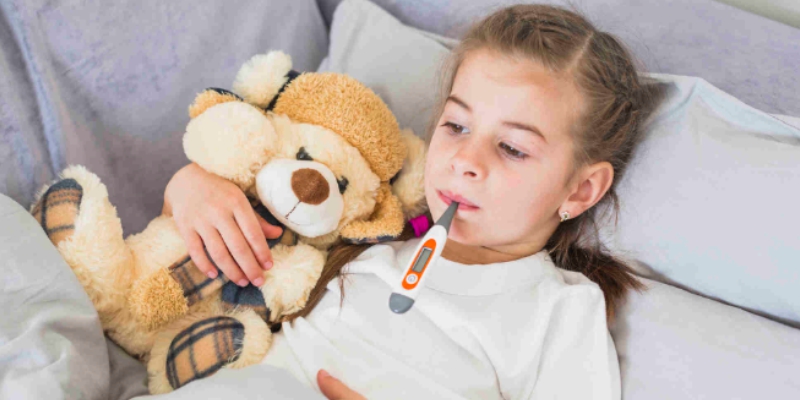
Fever is another common concern in children and often indicates that the body is fighting an infection. Mild fever can be managed at home, but high or persistent fever—especially in infants—should be evaluated by a doctor to rule out serious conditions.
Diarrhea and vomiting are also common in children and can quickly lead to dehydration. It is important to keep the child hydrated and monitor signs such as dry lips, reduced urination, or unusual weakness. Immediate medical attention is needed if symptoms are severe or prolonged.
Ear infections are especially common in young children and may cause ear pain, irritability, difficulty sleeping, or fever. Early treatment helps relieve discomfort and prevents complications.
Skin infections and rashes, including diaper rash, fungal infections, or viral rashes, are frequently seen in children. While many are harmless, rashes accompanied by fever or rapid spreading should be checked by a doctor.
Allergies and asthma are increasingly common and may present as sneezing, coughing, breathing difficulty, or skin irritation. Identifying triggers and managing symptoms early is key to keeping your child comfortable and healthy.
Parents should always observe their child’s behavior closely. Changes in eating habits, sleep patterns, activity levels, or unusual symptoms can indicate an underlying issue. Early diagnosis and proper treatment ensure faster recovery and peace of mind.
Maintaining good hygiene, ensuring timely vaccinations, and providing a balanced diet are essential steps in preventing many childhood illnesses. When in doubt, it is always best to consult a paediatrician for expert guidance and care.